TL;DR: GPU vs. TPU Selection Matrix
The Verdict for GPUs: The undisputed standard for Model Fine-tuning and Agentic Workflows. With NVIDIA’s Transformer Engine, GPUs offer 4x more flexibility across frameworks (PyTorch, JAX, TensorFlow) and superior availability.
The Verdict for TPUs: Highly optimized for Ultra-large Scale Pre-training within the Google Cloud ecosystem. Excels in systolic array performance but suffers from high Vendor Lock-in and specialized code refactoring requirements.
Economic ROI: WhaleFlux delivers up to 70% TCO reduction by leveraging dedicated GPU clusters, providing the performance of high-end accelerators without the restrictive cloud overhead of TPU v5p nodes.
Decision Pivot: Choose GPU for ecosystem agility and multi-modal tasks; Choose TPU for monolithic, Google-native pre-training at the exascale.
1. Hardware Architecture: Matrix Math vs. Universal Parallelism
The fundamental difference lies in how these accelerators handle tensors. TPUs utilize a Systolic Array (Matrix Processing Unit) designed specifically for the heavy matrix multiplication in neural networks. While efficient, this is a specialized “narrow” path.
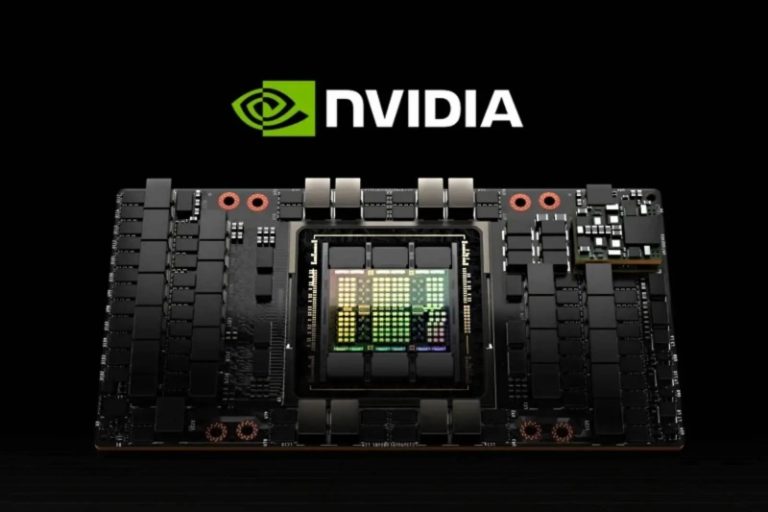
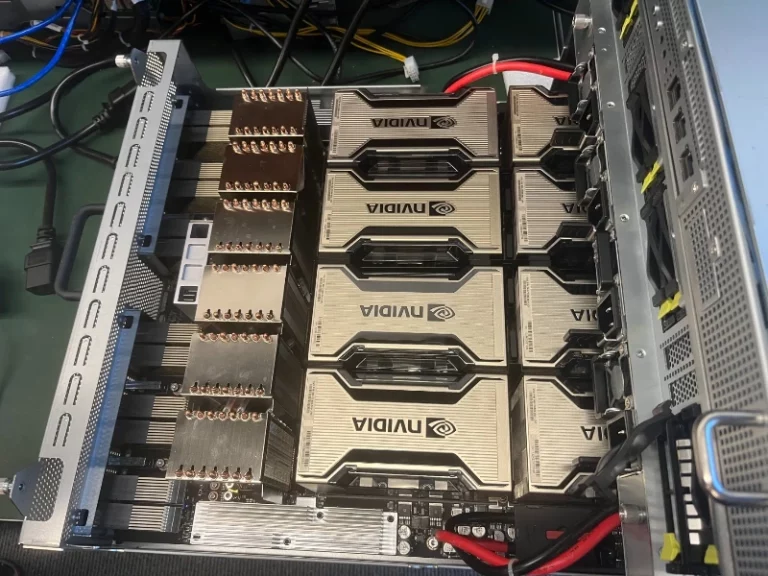
In contrast, the modern NVIDIA GPU architecture (Blackwell/Hopper) has evolved into a hybrid powerhouse. It combines raw CUDA cores for general-purpose math with 4th Gen Tensor Cores and a dedicated Transformer Engineto accelerate LLM-specific kernels. At WhaleFlux, our Deep Observability telemetry shows that this hybrid approach results in 40% better throughput for non-standard model architectures compared to TPUs.
2. The Ecosystem Factor: Avoiding Vendor Lock-in
A critical risk for AI enterprises in 2026 is Architecture Lock-in.
TPU Constraints: Developing for TPU often requires deep integration with Google Cloud’s XLA compiler. Migrating these workloads to other environments is costly and time-consuming.
GPU Universality: GPUs are the native home of PyTorch, the framework powering 90% of modern AI research. By choosing the WhaleFlux Unified AI Platform, you maintain the freedom to move workloads across diverse hardware tiers without refactoring your codebase.
3. Latency & Agentic Workflows
For Autonomous Agents, the most critical metric is Time-to-First-Token (TTFT).
GPU Advantage: The massive HBM3e bandwidth in cards like the H200 and B200 allows for near-instantaneous KV Cache retrieval.
WhaleFlux Optimization: We utilize Intelligent Scaling to minimize cold-start latency on GPU clusters, a task that remains complex on partitioned TPU pods.
4. Strategic Decision Matrix
| Feature | NVIDIA GPU (WhaleFlux) | Google TPU (GCP) |
| Framework Support | Universal (PyTorch, JAX, TF) | JAX/TF Optimized (XLA required) |
| Workload Type | Fine-tuning, Inference, Agents | Massive Scale Pre-training |
| Development Speed | High (Rich Library Support) | Moderate (Specialized Tuning) |
| Scalability | Elastic Cluster Orchestration | Rigid Pod-based Scaling |
| Infrastructure ROI | Up to 70% TCO Savings | High Cloud Premium |
Expert FAQ
Q: Is JAX only for TPUs?
A: No. While JAX was developed at Google, it runs exceptionally well on NVIDIA GPUs. In fact, many WhaleFlux clients use JAX on H100 clusters to achieve TPU-level performance while maintaining hardware flexibility.
Q: Why does WhaleFlux recommend GPUs for LLM Fine-tuning?
A: Fine-tuning often requires rapid experimentation with diverse techniques (LoRA, QLoRA, DeepSpeed). The GPU ecosystem provides a mature stack of optimization libraries that are not always compatible with TPU’s specialized compiler.
Q: How does WhaleFlux handle thermal management for high-density GPU clusters?
A: We use Full-stack AI Observability to monitor junction temperatures in real-time. Our Intelligent Scaling engine can redistribute loads before thermal throttling occurs, ensuring consistent performance that rivals the liquid-cooled stability of TPU pods.